
Heat Pump or Air Conditioner? In NZ They’re the Same Thing
One unit for summer and winter
Why Kiwis say heat pump and everyone else says air con, and how to get the most from yours when Auckland heats up.
The Short Answer
Is a heat pump the same as an air conditioner?
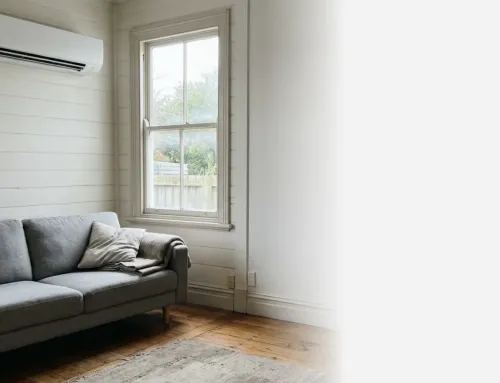
In a Kiwi house, a heat pump and an air conditioner are the same machine. One unit on the lounge wall does both jobs, cooling the room in January and warming it in July. EECA, the government energy agency, calls the common type a “reverse-cycle air conditioner”. So if you want air con for the summer, a heat pump is what you’re shopping for. Overseas articles that say the two are different are usually comparing heat pumps with cooling-only units, which most Kiwi homes don’t have. If you’re ready to cool the house this summer, here’s how our air conditioning installation works.
“Air-to-air single-split heat pump systems (also known as reverse-cycle air conditioners).”
EECA, Good Practice Guide to Heat Pump Installation
The Names
Why the names get mixed up
The name depends on where you are. New Zealanders mostly say heat pump, because winter heating is the main reason people buy one. Australians tend to say air con or reverse-cycle air conditioning. In America, an air conditioner usually means a unit that only cools, paired with a separate furnace for winter.
The industry adds to the confusion. The same kind of system is often called air conditioning in an office and a heat pump in a house. Brochures and websites use both names, sometimes on the same page.
When you’re comparing quotes, the name on the box matters less than what the unit does. Check that it heats and cools, and look at its heating and cooling capacity in kilowatts (kW).
Summer Cooling
Can a heat pump cool your house in summer?
Yes. Switch it to cooling mode and it pulls heat out of the room and sends it outside. It’s the same process as heating, run the other way. This is why it’s also called reverse-cycle.
Auckland summers are humid as well as warm, so dry mode is worth knowing about. It pulls water out of the air, which can make a sticky room feel more comfortable. Consumer NZ notes that dry mode won’t cool the room as much as cooling mode, because the fan usually runs slowly.
For cooling with a heat pump, EECA’s tips are simple:
- Set the thermostat to 24 degrees or higher during the day. A lower setting won’t cool the room any faster.
- Shut the doors and windows, and cool one room only. Most units are built for a single room.
- Try dry (dehumidifying) mode, which uses less energy than full cooling.
- Don’t leave it on auto, because it can switch over to heating.
- Clean the filter every couple of weeks.
On milder days, the fan-only setting with the windows open may be all you need.
CALL 021 770 696 OR CLICK TO CONTACT US
Running Costs
Is a heat pump cheaper to run than air con?
You’ll see this question a lot, but in New Zealand it’s comparing a machine with itself. What changes the running cost is whether the unit is the right size and how you use it. A unit that suits the size of the room costs less to run than one that has to work flat out. A sensible thermostat setting helps too, as does cooling one room with the doors shut. Insulation helps in summer as much as in winter, and shade on sunny windows keeps the heat out.
Choosing A Unit
Choosing one for summer and winter
Because one unit covers both seasons, it pays to think about both when you choose. We look at how big the room is, how well it’s insulated and how much afternoon sun comes in. A lounge with big west-facing windows can heat up fast on a January afternoon, even if it’s easy to keep warm in July.
Then there’s the type of system. A single wall unit suits one main living area. With a multi-room system, one outdoor unit feeds several indoor units, which helps when the bedrooms get hot at night. Ducted systems send air through ceiling vents to the whole house. You’ll find each type explained under heat pump installation.
The position of the outdoor unit matters more in summer than people think. On a warm night, windows are open and sound carries. We place the outdoor unit away from bedroom windows, yours and your neighbour’s, wherever the house allows.
Power Supply
The electrical side
Whatever you call it, every heat pump needs a proper power supply. We wire each one on a dedicated circuit, protected by an RCD in the switchboard. The RCD trips the power if electricity leaks to earth. On the wall beside the outdoor unit, we fit a lockable isolating switch so a technician can cut the power safely for servicing.
Older switchboards sometimes need work before a new circuit can go in. Our article on what an older switchboard may need explains what we look for. Once the job is done, the circuit is tested and you get a Certificate of Compliance to keep.
Next Step
Cooling the house before the heat arrives
Summer is the busy season for air conditioning, so it’s worth getting it sorted early. We’ll come and see which rooms need cooling, look over the switchboard and pick a good place for the outdoor unit. Then you’ll get a written quote for the whole job.
Want the lounge cooler this summer? Our team is based in Waitākere and supplies and fits air conditioning all over Auckland. Get in touch through our contact form or call 021 770 696.
Totally Amped Electrical, EWRB-registered electricians, Auckland
General information only: this article describes typical Auckland residential electrical work and the rules as they stood at publication, not advice specific to your property. Requirements change, so confirm the current position with a licensed electrician before starting any work.
HEAT PUMP AND AIR CONDITIONER FAQS
Is a heat pump the same as an air conditioner?
Yes, in New Zealand homes they’re the same thing. It’s what EECA calls reverse-cycle air conditioning: it cools when it’s hot and heats when it’s cold. Cooling-only air conditioners are uncommon in Kiwi houses.
Can a heat pump cool a whole house?
Yes, with the right system. One wall unit cools a main living area well. To cool several rooms, you’d look at a multi-room system or a ducted system with vents in each room.
What temperature should I set my heat pump to in summer?
EECA suggests no lower than 24 degrees in the daytime. A colder setting doesn’t speed up the cooling, and it’ll use more power.
Does dry mode cool the room?
Not much. Its main job is drying the air, which helps on humid Auckland days. Use cooling mode when the room is hot.
Do you install air conditioning?
Yes. We supply and fit everything from a single wall-mounted split system to whole-house ducted air conditioning. Our own electricians do the wiring and check the switchboard, then sign the job off with a Certificate of Compliance.